

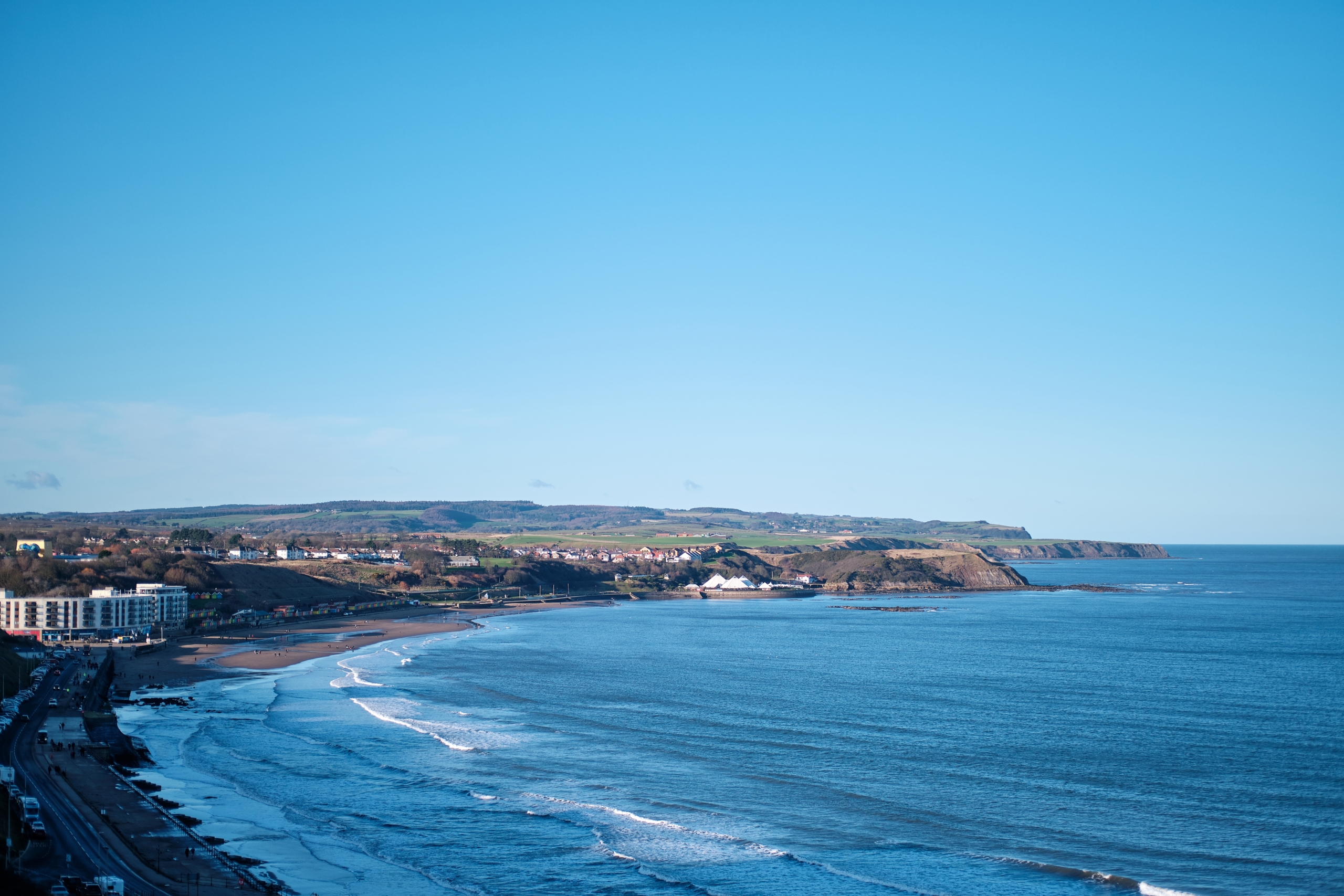
When it comes to buying a home or making a real estate investment, location isn’t the only factor that matters. A coastal view—whether it’s full oceanfront or partial sea glimpse—can dramatically impact property value. For both developers and buyers, understanding the coastal view property value relationship is key to making smart decisions. In this article, we’ll explore how and why properties with coastal views often command higher prices, what influences the price difference, and how to evaluate a view’s true worth.
The Power of a View: Why It Matters
Humans have an innate attraction to water. The calming effect of ocean waves, the changing colors of the sky at sunset, and the breeze from the sea all add emotional and psychological value. Studies show that people are willing to pay significantly more for homes with water views. In the real estate world, this translates directly into higher coastal view property value compared to properties without such views.
How Much More Does a Coastal View Add?
While percentages vary by region, properties with full, unobstructed sea views can be priced 30% to 80% higher than similar inland homes. Even partial or side views can add 10% to 30% to the property’s price. In luxury destinations, the difference can be even greater. The more unique and expansive the view, the more value it adds.
Factors That Influence Coastal View Property Value
View Type (Full vs. Partial)
A full panoramic sea view will add significantly more value than a small glimpse between two buildings. Buyers often use binocular vision when comparing—if the sea dominates the view, they’ll pay more.
Elevation and Position
Hillside properties with elevation usually have better views and are less likely to be obstructed in the future. This provides long-term investment security.
Distance to the Coastline
Frontline properties—those directly on the beach—hold the highest value. Properties set back slightly may still have views, but their price will reflect the distance.
Orientation (Sunrise/Sunset)
Properties facing the sunset over the sea can hold more emotional and visual appeal, especially in areas known for scenic evenings.
Window Design and Balcony Access
The architectural layout plays a role. Large glass windows, infinity pools, and open terraces can enhance the experience and boost the perceived value.
Real Estate Trends: Why Coastal Views Are in High Demand
Post-pandemic lifestyle changes have placed a premium on views and natural surroundings. Buyers are prioritizing quality of life, wellness, and remote work setups. Coastal view properties support all these needs. In tourist destinations like Hurghada, Soma Bay, and Marassi, properties with ocean views are among the first to sell—and they hold their value better during market fluctuations.
ROI Potential: Coastal View as an Investment Edge
Investors should note that coastal view property value not only affects initial pricing but also resale potential and rental income. Vacation rentals with sea views enjoy higher occupancy and nightly rates. Whether through Airbnb or long-term leases, the return on investment (ROI) is higher for sea-view properties.
Example:
- Inland 2-bedroom apartment: $100/night
- Similar apartment with sea view: $140–$160/night
- That’s a 40–60% increase in rental income potential.
Case Study: Coastal View Impact in Red Sea Region
In Egypt’s Red Sea region, properties in El Gouna or Sahl Hasheesh with sea views are consistently priced higher than their counterparts just one or two rows back. In Marassi, sea-view villas sold out within weeks of launch, while those without views took longer and had lower price tags.
When a View Isn’t Worth the Extra Cost
There are cases when a coastal view may not be worth the premium. For example:
- If the view is likely to be blocked by future construction.
- If environmental risks (erosion, rising sea levels) make coastal exposure risky.
- If the buyer doesn’t prioritize outdoor aesthetics.
Buyers should balance emotional appeal with long-term value and practical needs.
Developer Perspective: How Views Shape Pricing and Design
Developers understand that view quality justifies pricing tiers. That’s why:
- Higher floors are priced more.
- Units facing the water are prioritized in marketing.
- Premium designs (glass walls, open terraces) are used for sea-view units.
This view-based pricing model allows developers to maximize profits and create varied offerings for different buyer budgets.
How to Evaluate a Coastal View Property
Before you commit to buying a sea-view property, ask the following:
- Is the view protected from future developments?
- What is the long-term rental demand in this area?
- Are you paying more for the view than it’s worth in your specific market?
- Can you visit at different times of day to evaluate lighting, weather, and privacy?
Always consult local agents who understand coastal view property value in their region.
Conclusion: More Than Just a Pretty Sight
A coastal view isn’t just a luxury—it’s a real estate asset. Whether you’re buying your dream home or investing in rental property, a sea view can significantly boost value, desirability, and profitability. As demand for lifestyle-driven living continues to grow, so will the premiums paid for breathtaking views.
If you’re looking to invest smartly, don’t just look at location—look at the view.
Call Us and Start your journey today — before the next opportunity is gone.



Join The Discussion