


In recent years, global markets have faced unprecedented challenges. From geopolitical tensions and ongoing conflicts to economic fluctuations and inflation pressures, investors worldwide have become more cautious about where to place their money. Yet, amid all this uncertainty, one sector in Egypt continues to demonstrate remarkable resilience , the real estate market.
The Egypt real estate market stability has become a key topic among investors, both local and international. While many industries have experienced volatility, real estate in Egypt has managed to maintain strong demand, consistent growth, and long-term investment appeal.
So, what makes Egypt’s property market so stable despite global events? Let’s break it down.
A Market Built on Real Demand, Not Speculation
One of the main reasons behind the stability of the Egypt real estate market is that it is largely driven by real demand rather than speculation.
Egypt has a rapidly growing population exceeding 110 million people. This creates continuous demand for housing, whether for primary residences, vacation homes, or investment purposes. Unlike markets that rely heavily on speculative buying, Egypt’s real estate sector is supported by genuine end-user demand.
This fundamental demand acts as a buffer against global economic shocks. Even during times of uncertainty, people still need homes and that keeps the market moving.
Inflation Protection: Real Estate as a Safe Haven
During periods of economic instability, investors typically shift toward assets that preserve value. Real estate in Egypt has proven to be one of the strongest hedges against inflation.
As the Egyptian pound experiences fluctuations, property prices tend to rise in parallel with inflation. This makes real estate not just a stable investment, but also a protective one.
For many investors, owning property in Egypt is not just about returns it’s about preserving wealth.
Flexible Payment Plans Driving Market Activity
Another key factor supporting the Egypt real estate market stability is the flexibility offered by developers.
Unlike many global markets where buyers must pay large upfront amounts, Egyptian developers provide long-term installment plans that can extend up to 6–8 years in some projects. This significantly lowers the barrier to entry and keeps demand active even during economic downturns.
These payment systems create a continuous flow of buyers into the market, ensuring that sales momentum does not slow down even when global conditions are uncertain.
Government Support and Mega Projects
The Egyptian government has played a major role in maintaining the stability of the real estate sector.
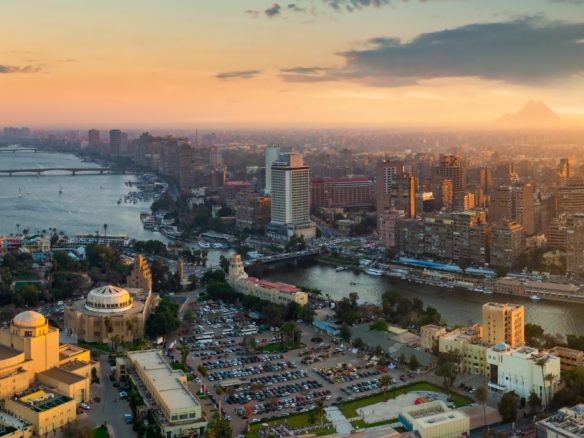
Through massive infrastructure developments and new cities such as the New Administrative Capital, New Alamein, and various Red Sea destinations, the government has expanded the real estate landscape significantly.
These projects are not just urban expansions they are strategic economic moves designed to attract investment, create jobs, and redistribute population density.
This ongoing development creates confidence in the market and reassures investors that the sector is supported at a national level.
Strong Growth in Coastal and Tourism Destinations
While traditional residential areas remain stable, coastal markets such as the Red Sea have seen exceptional growth.
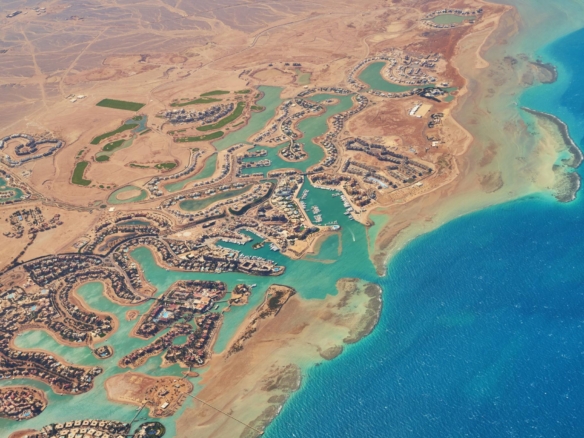
Destinations like Hurghada, Sahl Hasheesh, and Soma Bay are attracting both local and international buyers. The appeal lies in a combination of lifestyle, affordability, and strong rental returns.
Compared to European coastal markets, Egypt offers significantly lower entry prices while maintaining competitive rental yields. This makes it an attractive option for foreign investors looking for high-return opportunities.
Even during global uncertainty, tourism-driven real estate continues to perform well due to consistent demand from international visitors.
Currency Advantage Attracting Foreign Investment
One of the most overlooked drivers of Egypt real estate market stability is the currency advantage.
For foreign investors, the relatively lower value of the Egyptian pound makes property prices highly competitive when compared to global markets.
This creates an opportunity to purchase high-quality real estate at a fraction of the cost found in Europe or the Gulf. As a result, Egypt continues to attract international buyers, especially from Europe and the Middle East.
This steady inflow of foreign capital adds another layer of stability to the market.
Real Estate as a Long-Term Investment Strategy
Unlike stocks or cryptocurrencies, real estate is inherently a long-term asset. This naturally reduces volatility.
Investors in Egypt typically adopt a medium to long-term perspective, focusing on capital appreciation and rental income over time. This mindset helps stabilize the market, as it is less affected by short-term global events.
In other words, while global markets may react instantly to news and crises, real estate moves at a more controlled and stable pace.
Supply and Demand Balance
Another critical factor contributing to stability is the balance between supply and demand.
While Egypt is witnessing rapid development, demand continues to grow at a similar pace. This prevents oversupply, which is a major issue in many international markets.
Developers are also becoming more strategic, focusing on quality, location, and integrated communities rather than simply increasing volume.
This shift toward smarter development enhances long-term market sustainability.
Investor Confidence Despite Global Events
Perhaps the strongest indicator of stability is investor behavior.
Despite global conflicts and economic challenges, demand for real estate in Egypt has not declined significantly. In fact, many investors are increasing their exposure to property as a safer alternative to more volatile assets.
This confidence reflects a deeper understanding of the market’s fundamentals — strong demand, government support, and long-term growth potential.
Stability Rooted in Strong Fundamentals
The Egypt real estate market stability is not a coincidence it is the result of multiple strong factors working together.
From population-driven demand and flexible payment plans to government-backed projects and foreign investment inflows, the market is built on a solid foundation.
While global events may create uncertainty in many sectors, real estate in Egypt continues to stand as a reliable and resilient investment option.
For investors looking for stability, growth, and long-term value, Egypt’s property market remains one of the most promising opportunities in the region.
Red Sea: Egypt’s Safest Real Estate Investment Destination
While the overall Egypt real estate market stability is impressive, the Red Sea region stands out as one of the strongest and most secure investment zones in the country.
Destinations like Hurghada, Sahl Hasheesh, and Soma Bay are no longer just tourist hotspots — they have evolved into high-demand real estate investment hubs driven by consistent international demand, particularly from European buyers seeking affordable coastal properties.
What makes the Red Sea a standout investment destination is the combination of three key factors:
- Strong year-round rental demand
- Competitive property prices compared to global coastal markets
- Opportunity to generate income in foreign currency
In times of global uncertainty, tourism-driven markets like the Red Sea tend to remain resilient due to their diversified international demand base.
This makes the Red Sea not just an opportunity , but a strategic investment decision for those seeking stability and long-term returns in Egypt.
If you’re considering investing in Egypt’s real estate market, the Red Sea is one of the smartest places to start.
Explore the latest curated investment opportunities on Forsa Real Estate’s official website:
forsarealestate

Join The Discussion