


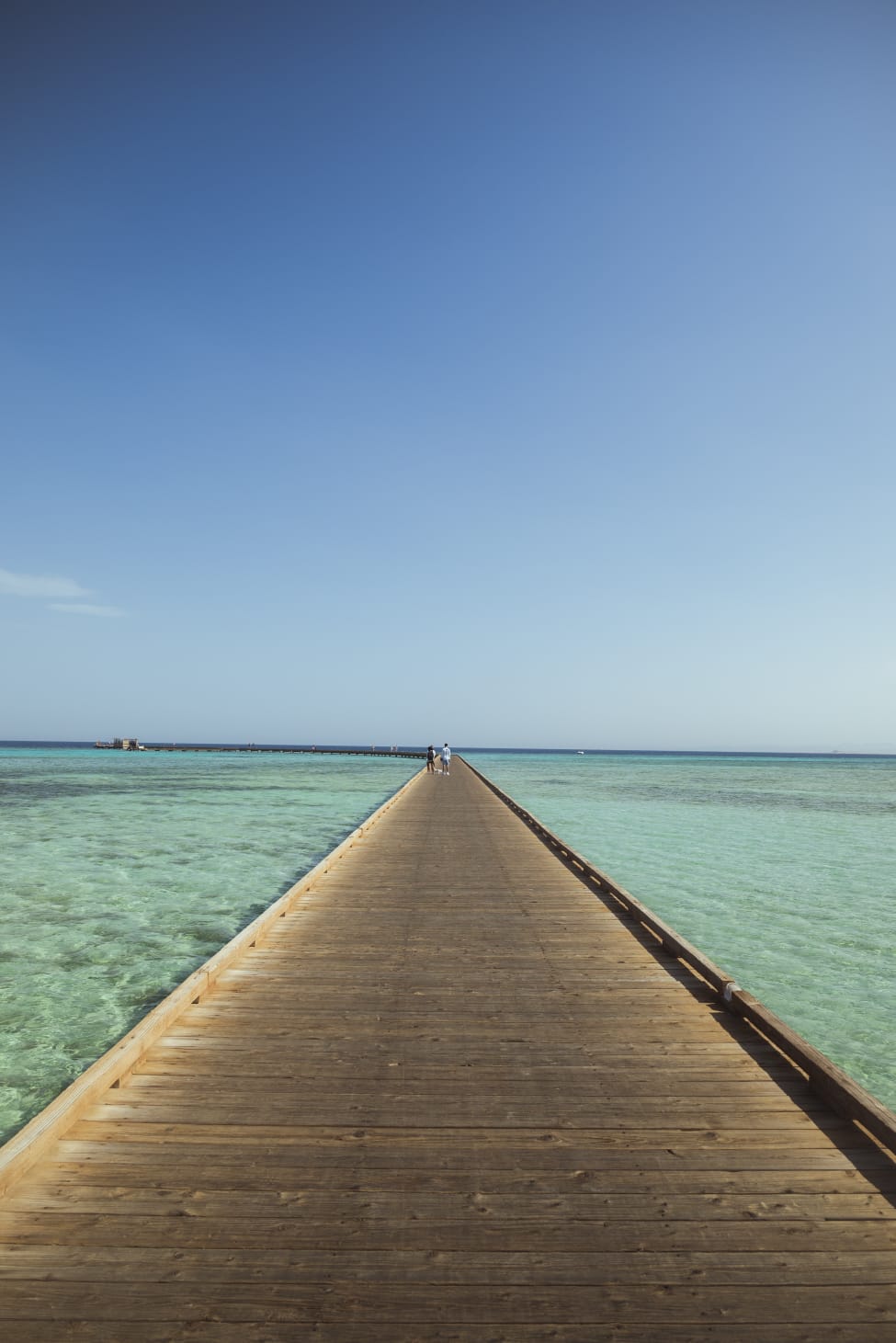
As global real estate investors look ahead to 2026, coastal property markets remain among the most attractive asset classes worldwide. Traditionally, Mediterranean destinations such as Spain, Greece, Italy, and Cyprus have dominated investor attention. However, a powerful alternative has been gaining momentum: the Red Sea real estate market in Egypt.
With rising prices, stricter regulations, and compressed yields across many Mediterranean hotspots, investors are increasingly asking a critical question: Does the Mediterranean still offer the best value, or is the Red Sea the smarter investment choice for 2026?
This article provides a data-driven comparison between the Red Sea and Mediterranean real estate markets, analyzing entry prices, rental yields, demand drivers, risk factors, and long-term growth prospects—helping investors make informed decisions in 2026 and beyond.
Market Overview: Two Coastal Giants
The Mediterranean Real Estate Market
The Mediterranean has long been a safe and familiar destination for international investors. Countries such as Spain, France, Greece, and Italy offer mature markets with strong legal frameworks, established tourism brands, and global recognition.
However, maturity comes with challenges:
- High entry prices
- Saturated rental markets
- Increasing taxes and regulations on short-term rentals
- Lower net yields compared to emerging markets
The Red Sea Real Estate Market
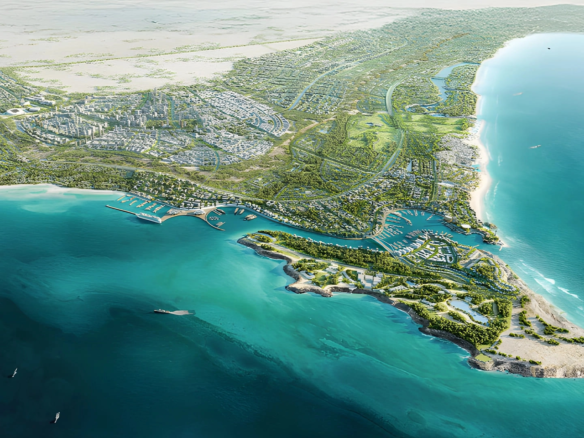
The Red Sea, particularly in Egypt, represents an emerging yet rapidly professionalizing market. Cities such as Hurghada, Sahl Hasheesh, El Gouna, and Soma Bay are attracting international buyers seeking higher yields and early-stage growth opportunities.
Supported by Egypt’s tourism recovery, infrastructure investments, and competitive pricing, the Red Sea is positioning itself as a high-growth alternative to traditional Mediterranean destinations.
Entry Prices: Capital Required to Enter the Market
One of the most decisive factors for investors is entry cost.
In most Mediterranean coastal cities:
- Entry-level apartments often start from €250,000–€400,000
- Prime beachfront units can exceed €600,000
- Additional costs include high taxes, notary fees, and annual property taxes
In contrast, the Red Sea offers significantly lower barriers to entry:
- Studios and apartments from €60,000–€120,000
- Beachfront and resort units at a fraction of Mediterranean prices
- Flexible payment plans and off-plan opportunities
For investors focused on capital efficiency, the Red Sea clearly outperforms the Mediterranean in 2026.
Rental Yield Comparison
Mediterranean Rental Yields
Mediterranean rental yields have been steadily compressing due to:
- Market saturation
- Increased competition
- Regulatory caps on short-term rentals
Average net yields range between 3%–5% annually, depending on location and management efficiency.
Red Sea Rental Yields
The Red Sea continues to deliver higher rental performance, particularly in tourist-driven locations. With strong seasonal demand and growing international arrivals, investors can achieve:
- Short-term rental yields of 7%–10%
- Higher occupancy rates during peak seasons
- Better yield-to-price ratios
Professional property management plays a critical role in unlocking these returns.
Demand Drivers in 2026
Mediterranean Demand
Mediterranean demand is largely driven by:
- Lifestyle buyers
- Retirees
- Second-home owners
While demand remains stable, growth is limited by high prices and regulatory restrictions.
Red Sea Demand
The Red Sea benefits from multiple demand streams:
- International tourism from Europe and the GCC
- Digital nomads and remote workers
- Lifestyle investors seeking value
- Long-stay winter residents
Egypt’s competitive cost of living and improving infrastructure further strengthen demand outlook for 2026.
Regulations and Investment Flexibility
Mediterranean markets are increasingly regulated, particularly regarding short-term rentals, licensing, and taxation. These measures, while improving market stability, often reduce investor flexibility and net returns.
The Red Sea market, by comparison, offers:
- More flexible rental regulations
- Lower taxation on property ownership
- Simplified processes for foreign buyers
This regulatory flexibility enhances investment agility and profitability.
Capital Appreciation Potential
Mediterranean Markets
In mature Mediterranean cities, capital appreciation is generally steady but modest. Price growth is often limited to inflation-level increases, with fewer opportunities for significant upside.
Red Sea Markets
The Red Sea remains in a growth phase. Ongoing infrastructure projects, new resorts, and master-planned communities are driving:
- Rising property values
- Strong appreciation in early-entry projects
- Long-term growth aligned with Egypt’s Vision 2030
For investors seeking appreciation alongside income, the Red Sea offers stronger upside potential.
Risk Analysis
No investment is without risk.
Mediterranean risks include:
- High capital exposure
- Regulatory unpredictability
- Lower yield margins
Red Sea risks include:
- Developer selection
- Property management quality
- Market education for new investors
These risks can be mitigated through professional advisory, market research, and data-driven decision-making.
Who Should Invest Where in 2026?
Mediterranean Is Suitable For:
- Ultra-conservative investors
- Lifestyle-first buyers
- Long-term capital preservation strategies
Red Sea Is Ideal For:
- Yield-focused investors
- Portfolio diversifiers
- Early-stage growth seekers
- Investors looking for scalable entry
Why Data-Driven Advisory Matters
In 2026, successful real estate investment is no longer about location alone, it is about data. Understanding occupancy rates, average daily rates, operating costs, and demand trends is essential.
This is where professional real estate advisors make the difference.
Why Choose Forsa Real Estate Services
Forsa Real Estate Services specializes in data-driven real estate investment advisory across the Red Sea market. We help investors:
- Compare markets objectively
- Analyze ROI and yield scenarios
- Select high-performing locations and projects
- Manage assets professionally for long-term success
Our approach is built on numbers, not hype.
Final Thoughts
In 2026, the Mediterranean remains a respected and stable real estate market, but stability often comes at the cost of growth and yield. The Red Sea, by contrast, offers a compelling blend of affordability, high rental returns, and strong appreciation potential.
For investors willing to look beyond traditional markets, the Red Sea represents one of the most attractive coastal investment opportunities of the coming decade.
The smart question is no longer whether to invest—but where your capital will work harder.
If you are evaluating where to invest in 2026, let Forsa Real Estate Services help you make the right decision.
Contact Forsa Real Estate Services today for a personalized comparison and ROI analysis between the Red Sea and Mediterranean markets.
Invest with data. Invest with confidence.

Join The Discussion