


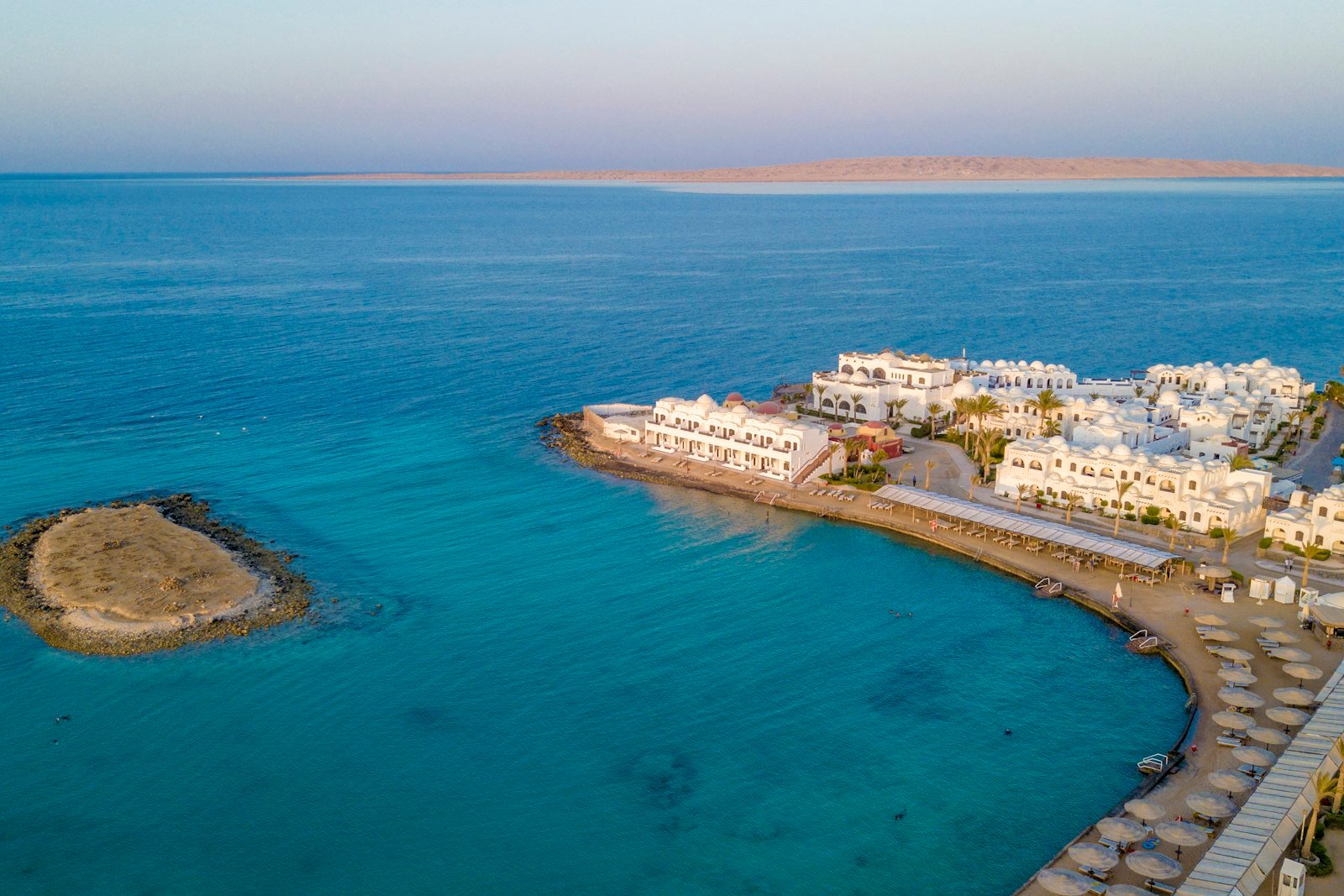
Branded residences on Egypt’s Red Sea are changing how developers sell homes. Look at the projects launched on the Red Sea in 2025 and 2026 and one pattern stands out. Developers are no longer selling only apartments. They are selling homes with a hotel name, a hotel operator and hotel services attached. They have moved from a niche to one of the main directions in the market. This article explains what is driving the shift, who is involved, and what it means for buyers.
What Is a Branded Residence?
A branded residence is a home built and run in partnership with a hotel brand. The brand sets the design and service standards, and its operator manages the project after delivery. Owners get the services of a hotel, such as reception, housekeeping and maintenance, and often the option to rent their unit through the hotel.
The brand matters because it brings recognition, booking systems and a guaranteed level of quality. That usually supports higher rental rates and stronger resale demand.
The Deals That Signal the Shift
The past two years have brought a series of major announcements:
- PRE Group and Hilton signed an agreement in November 2026 to develop and manage 10 hotel and branded residential projects worth around 14 billion EGP, adding about 2,000 hotel rooms and residential units.
- Amarina Group launched a real estate arm in 2026 with plans to invest more than 10 billion EGP in five projects, including three in Hurghada, all run under a hotel-operated model.
- Anantara Somabay Resort and Residences, developed by Minor Hotels, is planned to include around 300 hotel keys and 150 branded residences, with completion expected around 2030.
- U Hotels & Resorts manages both the residences and the hotel at U Residences & Hotel Sahl Hasheesh.
- Marassi Red Sea by Emaar Misr and Citystars plans 12 luxury hotels that combine hotel rooms with serviced residences. See our Marassi Red Sea page.
At national level, Egypt’s hotel pipeline reached 45,984 rooms across 185 projects in 2026, the largest in Africa.
Why Developers Are Choosing This Model
Several reasons explain the trend:
- Buyers want income, not just a home. A hotel operator makes rental income realistic for owners who live far away.
- Brands sell faster. A known name reassures foreign buyers who cannot visit often.
- The state wants more hotel rooms. New land, such as the allocation of more than one million square metres in South Magawish in October 2026, is tied to hotel rooms and professionally managed units.
- Hotel groups want growth with less capital. Selling residences helps finance new hotels.
Other Trends in New Projects
Branded and serviced living is the biggest shift, but not the only one:
- Lower density. More projects limit the built area and give more space to landscaping and water. Soulferyo Sahl Hasheesh is one example.
- Lagoons and water features. Crystal lagoons bring a beach-like feel to units that are not on the seafront, as at Lavaya Hurghada and Makadina Red Sea.
- Mixed use. Projects combine homes with shops, restaurants and offices so residents have services on site.
- Fully finished delivery. Most new launches are delivered finished, often with air conditioning and kitchens, ready to rent.
What Branded Residences on Egypt’s Red Sea Mean for Buyers
Branded residences usually cost more per square metre than standard units. In return, they offer:
- Professional management from day one.
- Stronger rental marketing through the brand’s channels.
- A recognised name that can support resale value.
The trade-off is control. Owners often must follow the operator’s rules on rentals, design and personal use, and pay higher service charges.
Questions to Ask the Developer
- Is the hotel brand signed under a management contract, or only “in talks”?
- How long is the management contract, and can it be renewed?
- What share of rental income goes to the operator?
- What are the annual service charges, and what do they include?
- Can I sell the unit freely, with or without the rental programme?
Conclusion
The rise of branded residences on Egypt’s Red Sea shows how the market is maturing. Developers and hotel groups are building homes designed to earn income and to be managed professionally, which suits both foreign and local investors. As always, the value depends on the operator, the contract and the location. Contact Forsa Real Estate to compare branded and serviced projects in Hurghada, Sahl Hasheesh and beyond.
Frequently Asked Questions
What are branded residences?
Homes built and managed with a hotel brand, which sets the standards and provides hotel services to owners after delivery.
Are branded residences more expensive?
Usually yes. Buyers pay a premium for the brand, the services and professional management.
Which hotel brands are active on Egypt’s Red Sea?
Recent examples include Hilton through its deal with PRE Group, Anantara in Soma Bay, and U Hotels & Resorts in Sahl Hasheesh.
Can I rent out a branded residence?
In most projects, yes, usually through the hotel operator’s rental programme.
Is the branded residence trend likely to continue?
With Egypt’s hotel pipeline at a record level and new land tied to hotel rooms, the trend shows no sign of slowing.


Join The Discussion