

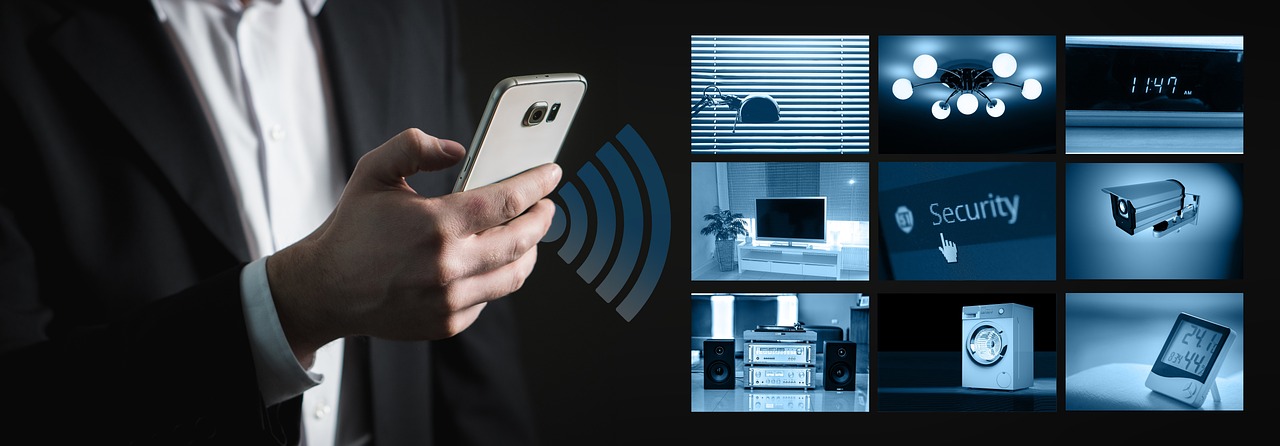
The Egyptian real estate market is rapidly evolving, with smart home technology becoming a key factor in buyers’ decisions. As we approach 2025, demand for automated, sustainable, and high-tech homes is surging. This article explores the latest smart home finishing trends in Egypt, highlighting what modern buyers prioritize in their dream homes.
The Rise of AI-Powered Home Automation
Voice & App-Controlled Living
Egyptian homeowners now seek seamless automation through:
- Voice assistants (Google Home, Alexa, Siri)
- Centralized smart hubs controlling lighting, AC, and security
- AI-driven energy optimization for cost savings
Smart Lighting & Climate Control
- Motion-sensor LED lighting for efficiency
- Automated thermostats adjusting to weather conditions
- Personalized room settings via smartphone
High-Tech Security & Surveillance
Safety remains a top concern, driving demand for:
- Facial recognition door locks
- 24/7 cloud-based CCTV monitoring
- Smart alarms with police alerts
- AI-powered intruder detection
Sustainable & Energy-Efficient Homes
Solar Energy Integration
- Solar panel-ready rooftops
- Smart inverters for energy storage
Eco-Friendly Materials
- Recycled wood & low-VOC paints
- Smart glass windows reducing heat transfer
Luxury Smart Kitchens & Bathrooms
Next-Gen Smart Kitchens
- Touchless faucets & voice-controlled appliances
- Smart fridges with inventory tracking
Spa-Like Smart Bathrooms
- Digital showers with temperature memory
- Self-cleaning toilets with bidet functions
Seamless Connectivity & 5G-Ready Homes
- Built-in Wi-Fi 6 mesh networks
- 5G compatibility for IoT devices
- Smart mirrors with news/weather updates
Multi-Functional Smart Furniture
- Modular sofas with wireless charging
- Voice-activated beds with sleep tracking
Personalized Home Entertainment
- Hidden home theater systems
- Smart projectors with streaming integration
The Demand for Smart Home Developers in Egypt
Leading developers like Emaar, SODIC, and Orascom now offer pre-installed smart home packages, making automation accessible.
The Role of Artificial Intelligence in Future Egyptian Smart Homes
As Egypt’s real estate market embraces digital transformation, Artificial Intelligence (AI) is becoming the backbone of next-generation smart homes. By 2025, AI will not just enhance convenience but also redefine how homes interact with residents, making everyday life smarter, safer, and more efficient.
AI-Powered Predictive Automation
Modern Egyptian homeowners demand homes that learn their habits. AI-driven systems will:
- Adjust lighting and temperature based on daily routines.
- Predict energy usage and optimize power consumption.
- Automate grocery orders when supplies run low (via smart fridges).
Enhanced Security with AI Surveillance
Security remains a top priority, and AI takes it further with:
- Real-time facial recognition to distinguish between family, guests, and intruders.
- Anomaly detection (e.g., unusual movements or open doors) with instant alerts.
- Voice fraud prevention to block unauthorized access to smart locks.
AI in Health & Wellness at Home
Post-pandemic, health-conscious buyers seek homes that support well-being:
- Air quality monitors that adjust ventilation based on pollution levels.
- Sleep optimization via smart beds analyzing sleep patterns.
- AI-powered virtual assistants for medication reminders and emergency alerts.
Personalized Entertainment & Ambiance
AI will customize home environments like never before:
- Mood-based lighting (e.g., warm tones for relaxation, bright for work).
- Smart speakers that curate playlists based on residents’ preferences.
- AI-generated art displays that change with the season or occasion.
The Future: Self-Learning Smart Homes
By 2025, Egyptian smart homes will shift from reactive to proactive:
- Self-diagnosing maintenance issues (e.g., plumbing leaks, HVAC faults).
- Adaptive energy systems that integrate solar power and battery storage.
- Voice assistants evolving into true “home managers”, handling schedules, security, and even childcare alerts.
Challenges & Buyer Considerations
Despite the benefits, AI-powered homes raise concerns:
- Tech literacy barriers (developers must offer user-friendly interfaces).
- Data privacy risks (requiring encrypted systems).
- High initial costs (though long-term savings justify investment).
Conclusion
The future of Egyptian real estate lies in smart, sustainable, and secure homes. Buyers in 2025 prioritize AI automation, energy efficiency, and luxury tech integration. Developers embracing these trends will dominate the market.
Contact Forsa For Real Estate Services Or Visit Our Website.


Join The Discussion