

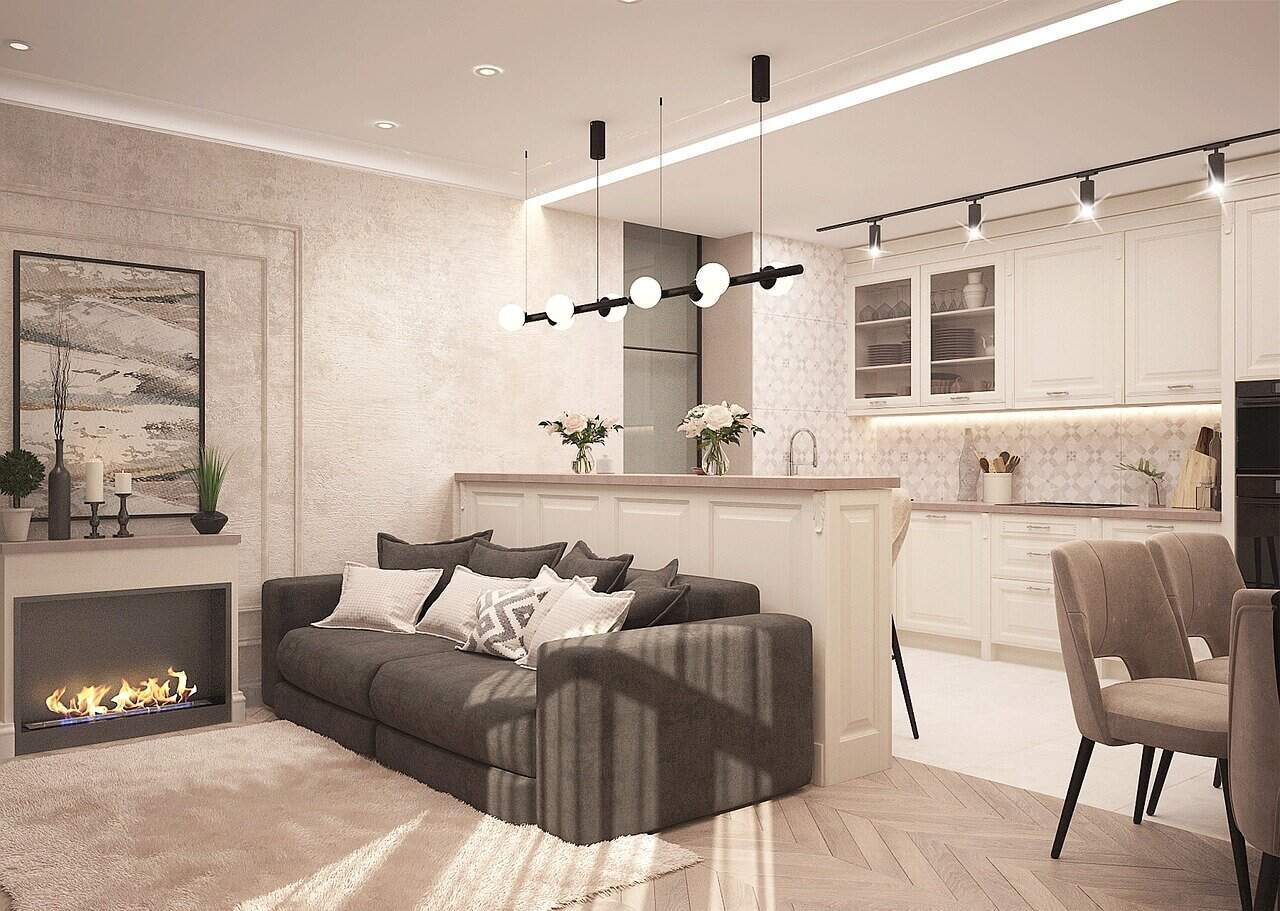
In today’s fast-paced, tech-driven world, homeowners are looking for more than just stylish designs and luxurious interiors—they’re also seeking functionality, automation, and control. Smart home finishing isn’t just a trend; it’s a revolution in how we live, manage energy, and interact with our spaces.
Whether you’re building your dream home or renovating an old apartment, integrating technology from the finishing stage can future-proof your property and add significant value. In this guide, we’ll walk you through the concept of smart finishing, its benefits, popular smart technologies to include, and how to plan for them from the start.
What Is Smart Home Finishing?
Smart finishing refers to designing and preparing a property with built-in systems and infrastructure that support home automation and smart technologies. This includes:
- Smart lighting systems
- Automated climate control (thermostats, ACs, underfloor heating)
- Home security (cameras, sensors, smart locks)
- Sound systems and multimedia integration
- Central control hubs and wiring
- Energy-saving automation
Unlike adding smart devices later, smart finishing embeds the necessary wiring, sensors, and control units into the structure and layout of the house—making it seamless and visually appealing.
Why You Should Start With Smart Finishing From the Beginning
Saves Time and Money Later
Planning for technology from the start avoids costly renovations or breaking finished walls to install cables or smart switches. It’s more cost-effective to embed systems during the initial construction phase.
Increases Property Value
Homes with integrated smart features are seen as modern and high-end. They appeal to younger, tech-savvy buyers and can significantly raise your property’s resale value.
Future-Proofs Your Home
Technology is evolving fast. By preparing your home with the right infrastructure (e.g., conduits, smart panels), you ensure your home can adapt to new tech without full renovations.
Improves Energy Efficiency
Smart thermostats, lighting, and water management systems can drastically reduce energy bills. They allow you to control usage and even automate schedules for maximum efficiency.
Enhances Comfort and Control
Want to set the mood with one tap? Control lighting, curtains, music, and temperature with your phone or voice. A smart-finished home simplifies your daily life.
Essential Technologies to Include in Your Smart Finishing
Smart Lighting Systems
- What to prepare: Install smart wiring and dimmable circuits that connect to a centralized system.
- Popular tech: Philips Hue, Lutron, KNX systems
- Benefits: Scene settings, motion detection, remote control, and energy savings.
Climate Control & HVAC Automation
- Install: Smart thermostats and zoning systems from the construction phase.
- Popular tech: Google Nest, Honeywell, Ecobee
- Benefits: Personalized comfort, energy-saving schedules, and remote temperature control.
Integrated Home Security
- Components: Smart locks, CCTV wiring, motion sensors, door/window sensors.
- Plan for: Pre-install conduits for cameras and power connections to avoid exposed cables.
- Popular brands: Ring, Arlo, Hikvision
Smart Entertainment Systems
- Setup: Plan in-wall speakers, TV wiring, and multi-room sound systems.
- Technologies: Sonos, Bose, Alexa-compatible systems
- Benefits: Clean aesthetics and centralized control.
Home Automation Control Panels
- Central Hub: Install a smart control panel or hub in a hidden but accessible spot.
- Systems: Control4, Savant, or mobile apps
- Benefits: Easy management of all home systems from one interface.
Smart Kitchens & Appliances
- Plan smart plugs and internet connections for smart fridges, ovens, and dishwashers.
- Future-friendly homes integrate kitchen tech like touchless faucets and voice-controlled coffee machines.
Automated Blinds and Curtains
- Install motorized curtain rods and prepare hidden cable routes.
- Connect to lighting or climate control for full ambient control.
Planning Tips for Smart Home Finishing
Work With Professionals
Always consult with both a finishing contractor and a smart home systems expert. Coordination between electrical, finishing, and automation teams is key.
Create a Smart Plan Early
Before you finish walls or install ceilings, plan your automation layout—decide where switches, routers, hubs, and cameras will go.
Choose Compatible Devices
Stick to open platforms that support future upgrades (e.g., Matter-compatible devices or systems that integrate with Alexa, Google Home, Apple HomeKit).
Future Expansion
Leave empty conduits or cable routes in walls and ceilings to allow for future upgrades without extra damage.
Avoid Overloading Wi-Fi
Heavy automation needs a strong network. Consider installing a mesh Wi-Fi system or Ethernet cabling throughout the house.
Smart Finishing for Different Home Types
Villas and Private Homes
These have the most flexibility. Use zoned systems and hidden control panels for a clean, luxury look. Integrate garden irrigation and pool systems too.
Apartments
Focus on smart lighting, entertainment, and security. Retrofit options may work, but planning smart finishing during renovations is best.
Rental Properties
Smart locks and energy controls can reduce operational costs and enhance tenant experience. Use cloud-based control for remote management.
Common Mistakes to Avoid
- Skipping expert consultation
- Installing incompatible systems
- Not planning internet coverage
- Overcomplicating the user interface
- Forgetting about cybersecurity and data protection
Conclusion: Build Smart From the Start
Incorporating smart home finishing from the early stages of construction is one of the best investments you can make for your lifestyle and property value. It creates a seamless, elegant, and highly functional living space that adapts to your needs—today and in the future.
By planning your systems carefully, consulting professionals, and investing in the right technology, your smart home will not only be beautiful but also brilliantly efficient.
Contact Forsa For Real Estate Survices

Join The Discussion